From Travel Search to Travel Intelligence: What Comes Next?
Planning a trip today often means switching between search engines, hotel booking platforms, restaurant reviews, social media, maps, and itinerary tools. Travelers have access to more information than ever, yet turning that information into a smooth, personalized experience can still be frustrating.
 Movodream Team··5 min read
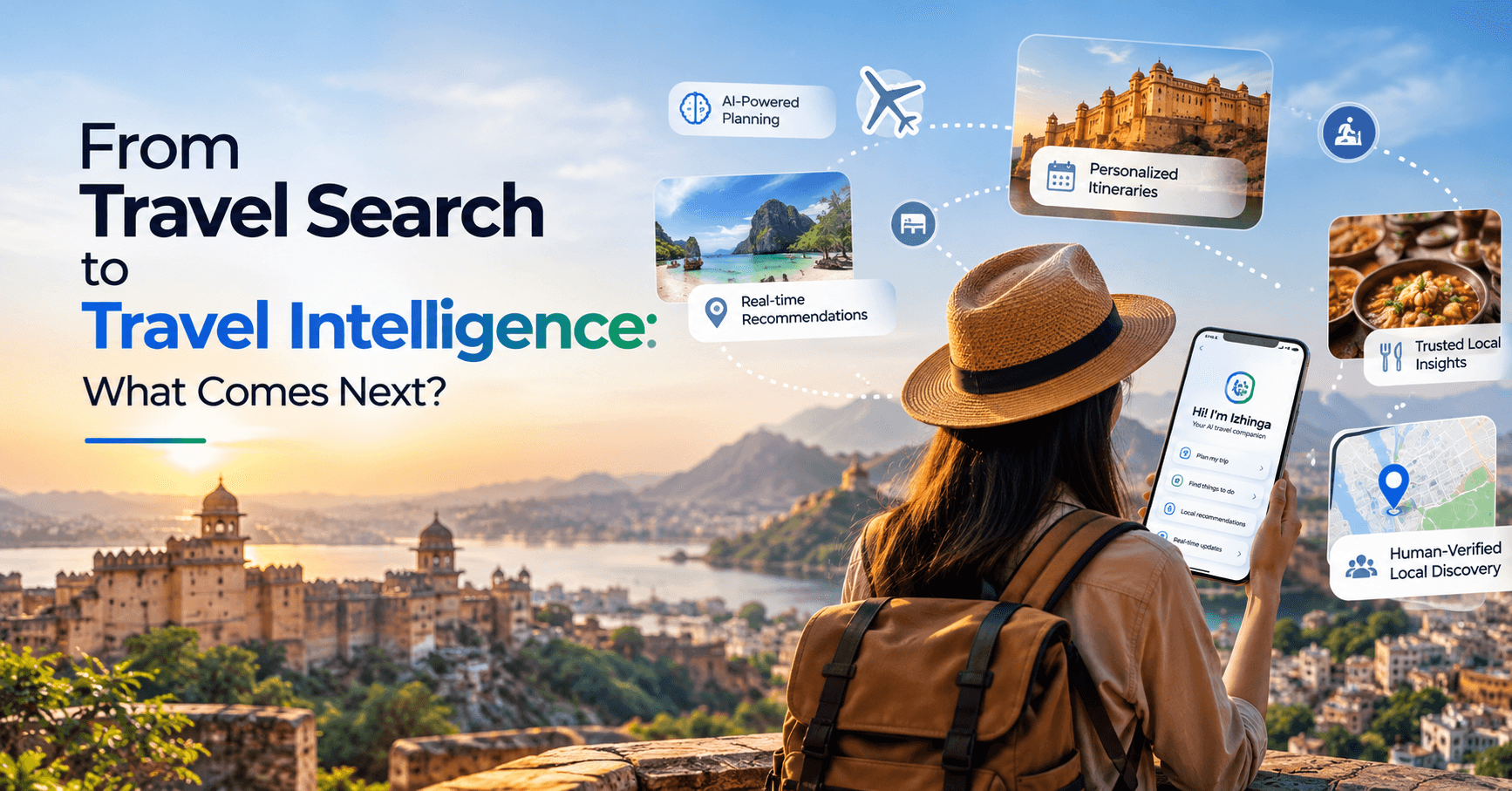
Planning a trip today often means switching between search engines, hotel booking platforms, restaurant reviews, social media, maps, and itinerary tools. Travelers have access to more information than ever, yet turning that information into a smooth, personalized experience can still be frustrating.
The real challenge is no longer finding information. It is knowing what to trust, which options suit individual preferences, and how to make better decisions as circumstances change.
This is where travel intelligence comes in. Instead of simply presenting search results, intelligent travel technology aims to understand traveler intent, connect relevant information, and provide useful assistance throughout the journey.
For Movodream, a global travel technology company focused on intelligent travel experiences, this represents a fundamental shift in how people discover destinations, plan trips, and navigate unfamiliar places.
Why Traditional Travel Search Falls Short
Traditional travel search depends on keywords, filters, lists, and manual comparisons. Booking platforms help travelers make reservations, maps provide directions, and review websites offer opinions. However, these tools frequently operate in separate environments.
Imagine spending a day in Jaipur. You discover attractions on Google, find restaurants through Instagram, compare reviews on different websites, and use a navigation app to calculate routes. When unexpected rain disrupts your afternoon, you may need to rebuild your plans across several platforms.
This fragmented experience creates information overload, generic recommendations, and unnecessary decision-making.
A popular attraction might not suit someone travelling with children, working within a limited budget, or looking for quieter local experiences. Traditional search provides possibilities, but travelers must still determine which options make sense for their specific situation.
What Is Travel Intelligence?
Travel intelligence moves beyond information retrieval. It combines traveler preferences, contextual information, relevant data, and decision support to make travel experiences more useful and personalized.

An AI travel assistant, for example, could interpret a request such as, “Plan a relaxed afternoon with local food, minimal walking, and places that are open now.”
Rather than returning a generic list, it could prioritize suitable experiences based on available information about location, timing, budget, and interests.
This is the direction Movodream is pursuing through its travel ecosystem , its travel companion designed to make discovering and experiencing destinations more contextual and convenient.
The broader goal is not simply to add AI to travel planning. It is to help travelers move from scattered information toward more connected, informed decisions.
What Industry Research Reveals
Research indicates growing interest in AI-assisted travel planning, alongside a clear need for trust.
According to Booking.com's Global AI Sentiment Report, published in July 2025, 89% of surveyed consumers wanted to use AI in future travel planning, while 67% had already used AI in some aspect of travel.
However, adoption does not automatically translate into trust. The report found that only 6% of respondents fully trusted AI, while 12% were comfortable allowing AI to make decisions independently.
The findings highlight an important opportunity for travel technology companies: intelligent assistance must be useful, transparent, and grounded in reliable information. These figures reflect reported survey responses from 37,325 consumers across 33 markets, not universal traveler behavior.
For Movodream, this distinction matters. The future of travel intelligence depends not only on personalization and automation, but also on whether travelers can confidently evaluate the information they receive.
What Comes Next for Travel Intelligence?
The next generation of travel experiences is likely to become more connected, responsive, and context-aware.
Predictive travel assistance could help travelers anticipate practical needs, such as leaving earlier when traffic threatens a reservation.
Adaptive itineraries could suggest alternatives when weather, delays, closures, or changing preferences disrupt plans.
Real-time travel recommendations could consider location, opening hours, available time, interests, and budget instead of relying exclusively on popularity rankings.
Conversational trip management could make it easier to explore destinations, adjust plans, and coordinate activities through natural-language interactions.
Human-verified local discovery could combine AI's ability to process information with local knowledge and trusted recommendations.
This last capability is particularly relevant to Movodream's Local Guru ecosystem, which focuses on human-verified local insights across Indian cities. By bringing local expertise into the travel discovery experience, the aim is to help travelers find recommendations that are more meaningful than generic lists of highly rated places.
These capabilities are at different stages of maturity. Conversational planning and personalized recommendations already exist, while fully coordinated assistance across bookings, navigation, and on-trip services remains a more complex challenge.
Privacy, inaccurate AI outputs, outdated information, and commercial bias also require attention. Travelers must retain control over their decisions and be able to verify important information.
Movodream : Building More Connected Travel Experiences
Movodream's vision reflects a broader transition in the travel industry: moving from isolated travel tools toward intelligent experiences that support travelers throughout their journeys.
The focus is on making travel assistance more contextual, combining personalized discovery with useful destination information and support for navigating unfamiliar places. The Local Guru ecosystem adds a human layer to this approach through locally informed, verified recommendations.
Together, these concepts reflect an important principle: travel intelligence should make travelers feel more confident, not simply give them more information to process.
For the industry, the challenge is to connect reliable data, relevant services, personalization, and trusted local expertise without compromising privacy or traveler control. Adding a chatbot to an existing application is not enough; the real value comes from making assistance useful across the entire travel journey.
Frequently Asked Questions
What is travel intelligence?
Travel intelligence uses traveler preferences, contextual information, and relevant travel data to support more informed decisions and personalized travel experiences.
How does an AI travel companion help travelers?
An AI travel companion can help travelers discover destinations, compare options, plan itineraries, and receive relevant assistance as circumstances change.
What is Movodream?
Movodream is a travel technology company focused on building intelligent travel experiences.
Conclusion
The next era of travel technology will not be defined by how much information travelers can access. It will be defined by how intelligently that information helps them decide, adapt, and experience the world.
Through its focus on intelligent travel experiences, Movodream is working toward this broader vision. With Local Guru ecosystem, the opportunity is to bring together contextual assistance and trusted local knowledge to make unfamiliar destinations easier to navigate.
The shift from travel search to travel intelligence is ultimately a shift from finding more information to travelling with greater confidence.